Table Of Content
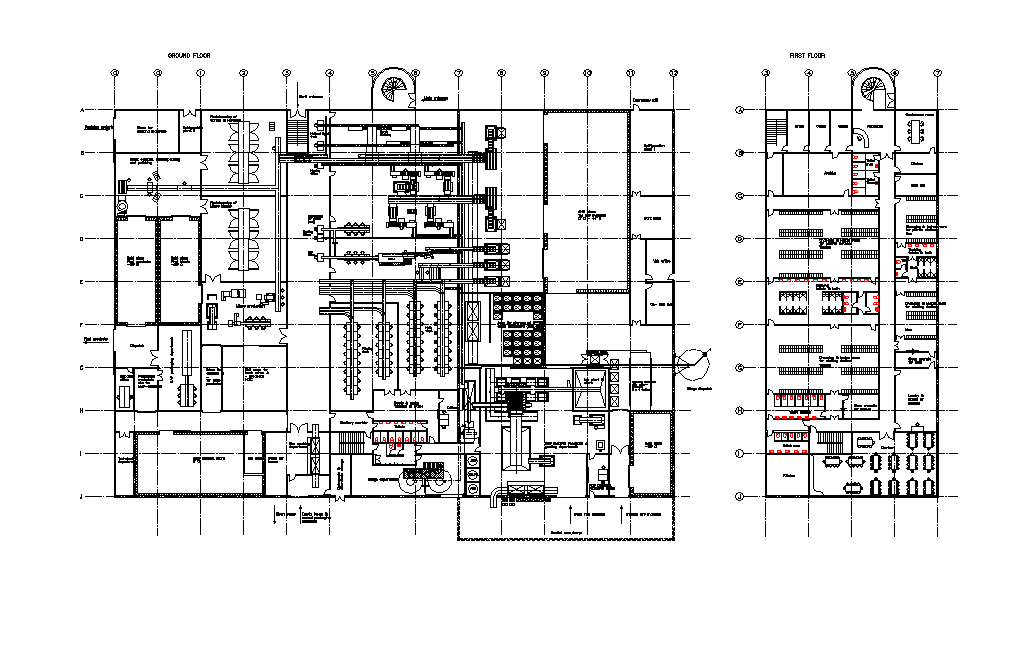
A balanced layout incorporates either symmetry, asymmetry, or radial symmetry. Symmetrical and asymmetrical balance are the most common in design and the easiest to achieve. Radial symmetry can work well in print, but is harder to pull off on a website. When starting a new project, refer back to mood boards you’ve created and images you’ve saved over time. If you don’t have a mood board that feels relevant to your current project, make a new one and take the time to understand the historical relevance of the direction.
Principle #5: use contrast
If you’re starting from scratch, the first element that you should add is a grid. It sets the margins and gutters to a consistent length, and creates a designated space to add each piece of content. That way, you have an idea of what you’re going to add to this page, and as you continue to add more elements, they’re spaced out evenly by default. We specialize in design ergonomic office space layouts, cubicle layouts, office space planning, manufacturing, installation and reconfiguration of office furniture. We provide an extensive selection of office furniture in San Diego, Riverside, San Bernardino, Los Angeles, Orange County and Irvine. Mega menus have been hard to code, especially across multiple screen sizes.
What’s layout design?
Everyone knows to get better at any art form, you have to first understand the particular tools and procedures that form it. Design is no different from playing an instrument or even a chef making a meal. Layout design is the arrangement of graphical elements such as text, images, and shapes in a coherent and pleasing manner. This is about creating a visual hierarchy that guides the viewer's view of the content. When a layout is effective, it looks good, has visual balance, and guides the viewer to understand the message the design is trying to convey. Understanding layout is the key to creating engaging, effective, user-friendly, and pleasing compositions.
Utilize the negative space on a web page.
Making masonry a simple and separate layout type would avoid the work necessary to keep Grid and Masonry working together in combination — both now and in the long term. Either way, it’s clear that advocates of this option want Masonry to be limited to a symmetrical grid — where all the columns are the same size as each other. None of the rest of CSS Grid’s track sizing capabilities would be allowed. The CSS Working Group has not discussed how the syntax for a separate Masonry display type would work, but perhaps it would be patterned after Multicolumn layout. Other people instead believe Masonry should be its own separate display type. At first glance, defining Masonry with a new display type might make a lot of sense.
By adding the ability to pack content in a masonry/waterfall pattern to CSS Grid, we maintain the full power of Grid for defining our columns in whichever manner we like. First, let’s take a look at how to build a classic masonry/waterfall layout. In this gallery of photos, each image is wrapped with a figure element, and the figures are direct children of a main element. A mechanism in CSS for “masonry layout” was first proposed by Mozilla in January 2020 as an extension of CSS Grid, and implemented as an experiment behind a flag in Firefox Nightly.
Maxeda Technology: utilizing AI technology to optimize chip layout design, enhancing chip design efficiency and ... - DIGITIMES
Maxeda Technology: utilizing AI technology to optimize chip layout design, enhancing chip design efficiency and ....
Posted: Thu, 14 Sep 2023 07:00:00 GMT [source]
An effective layout not only looks attractive, but also helps the viewer understand the message the design is conveying. In other words, understanding layout is key when it comes to creating user-friendly, engaging designs, particularly in the realms of web design and advertising. It’s often said within the advertising industry that consumers decide if they’re interested in a product within three seconds of viewing of an ad. For this reason, your layout design must always communicate the most important message first. Structuring the text and imagery of your layout with this hierarchy in mind will provide you with the necessary parameters when considering format, grid, and alignment.
The multiple columns allow you to promote several pieces of content at once, and the search features make it easy to find content that you previously published. An asymmetrical page layout divides your page into two sides, each containing an equal amount of content that creates an overall balanced look. In this example, the landing page has a featured image positioned on the right side of the page with copy, calls-to-action, and social sharing icons on the left. If your website’s content is very simple and straightforward, you might be interested in this page layout. Pages are remarkably easy to create as there are very few CSS and HTML elements that you need to customize.
Format, Grid, and Alignment
They grab the viewer’s attention with a high-quality image, and they also allow you to add marketing copy either on the image itself, or directly below it. This makes it great for promoting individual products or services that your company offers. Negative space, or white space, is the space between elements on your web page.
Design should never dictate the text elements, and vice-versa. As a designer, it is your job to make sure these two components work together in harmony and that your message is understood. Before you begin a creative project, it’s important to understand your place in the larger history of art and design.
Space is important in a layout because it helps separate and organize different elements. In a grid, space typically fills the gaps between columns, or gutters. But space can also draw attention to the elements that it surrounds.
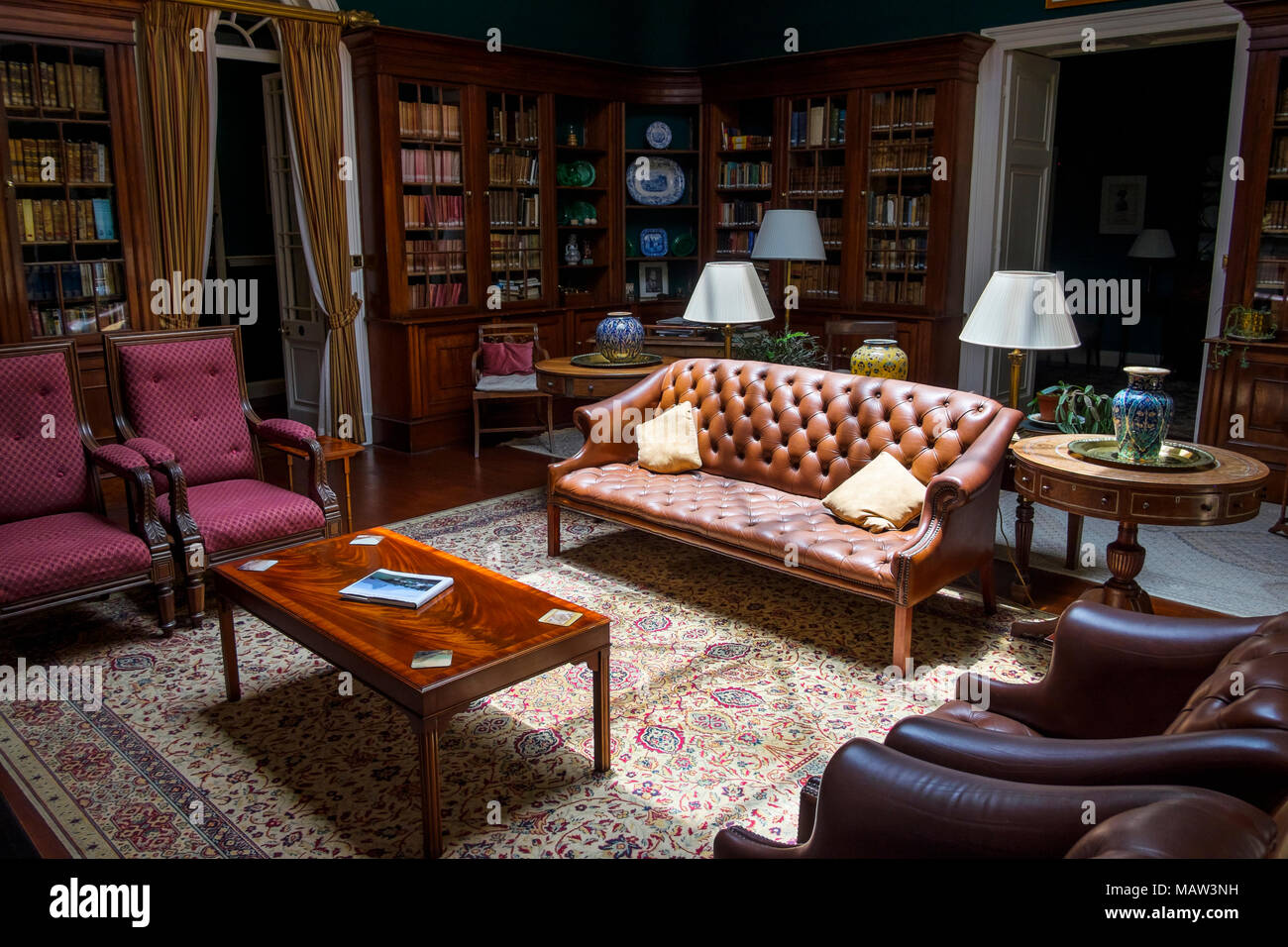
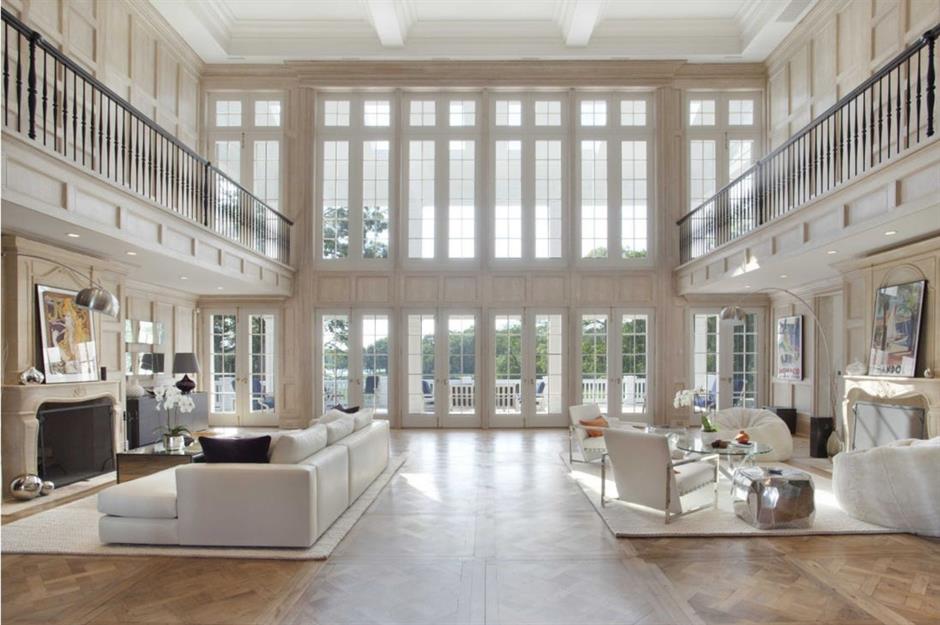
You must start off by measuring the width and the length of your living room so you determine the kind of furniture that can be placed in the layout. In the case of large living rooms, the size of the sofa seating, as well as other loose furniture like the coffee table, can be chosen freely. But whereas in a small living room layout, the variety of loose and fixed furniture is limited due to space constraints. The shape of a living room layout plays a vital role and determines the arrangement of the interiors. The layout of fixed furniture is designed in accordance with the fluidity of space.
Limit the different number of patterns, line weights/styles, and colors, and repeat throughout. Or even a color scheme, a typeface, and the same style in general. Identify and reuse a motif throughout your layout so that various areas feel connected and part of the same composition. Repetition can empower your design and create a visual impact when used correctly. And remember, contrast is also relative—it only has meaning in juxtaposition with other elements.
Contrast simply means that one item is different from another. In layout and composition, contrast can help you do many things, like catch the reader's eye, create emphasis, or call attention to something important. There's no one way to use white space correctly, but it's good to understand its purpose. White space helps you define and separate different sections; it gives your content room to breathe. If your work ever starts to feel cluttered or uncomfortable, a little white space might be just what the doctor ordered. Now, this doesn't mean literal white space; it just means negative space, like the spaces between your content, between lines, and even the outer margins.
In other words, it shows them where to begin and where to go next using different levels of emphasis. Alignment is something you deal with all the time, even if you don't realize it. Whenever you type an email or create a document, the text is aligned automatically. Watch the video below to learn more about layout and composition. A good habit to get into is to use a typeface with a large family.